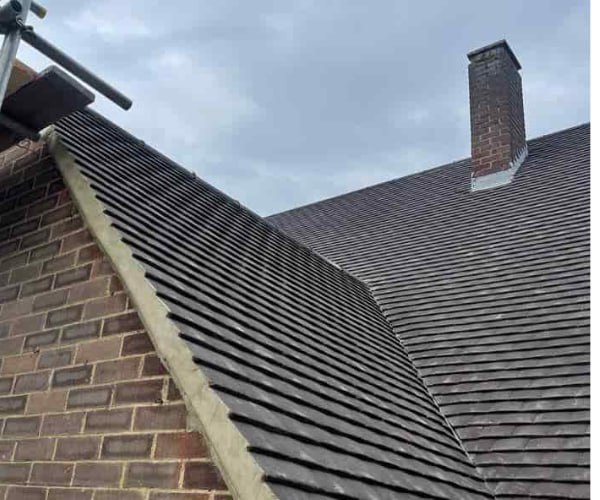
The Importance of Maintaining Roof Verges and Gable Ends
Roof verges and gable ends are important parts of a property’s roofing system. Although they may not receive as much attention as roof tiles or gutters, they help protect the edges of the roof from wind, rain and general weather exposure. When these areas deteriorate, gaps can develop that allow moisture and pests to reach vulnerable parts of the roof structure.
Regular maintenance helps keep roof edges secure, weather-resistant and in good condition. For homeowners in Rossington, South Yorkshire, understanding how these areas work and recognising early signs of damage can help prevent avoidable roofing problems.
What Are Roof Verges and Gable Ends?
A roof verge is the sloping edge of a pitched roof where the tiles or slates meet the gable wall. It runs from the eaves towards the ridge and helps protect the exposed edge of the roof covering.
The gable end is the triangular upper section of an external wall beneath the two sloping sides of a pitched roof. The junction between the gable wall and the roof covering needs suitable protection to prevent rainwater and wind from affecting the roof structure.
Depending on the roof design, verges may be finished using mortar bedding, dry verge systems or other suitable detailing. Each method has a different maintenance requirement, but all need to remain securely fitted to provide effective protection.
Why Roof Verges Need Regular Maintenance
Roof verges are exposed to wind and rain, making them vulnerable to gradual deterioration. Traditional mortar-bedded verges can develop cracks, become loose or lose sections of mortar as materials age and weather conditions take their toll.
When mortar begins to fail, roof tiles near the edge may become less securely supported. Gaps can also appear, creating opportunities for wind-driven rain to enter beneath the roof covering.
A damaged verge should not be ignored simply because the rest of the roof appears to be in good condition. A professional inspection can establish whether the mortar needs repairing or whether a more extensive verge repair is appropriate.
Protecting Gable Ends from Water Ingress
The junction between a roof verge and the gable wall is an important point for weatherproofing. If the edge detailing becomes damaged or poorly sealed, rainwater may find its way into the roof structure or adjoining masonry.
Repeated moisture exposure can contribute to damp patches, deterioration of internal finishes and damage to nearby roof timbers. Water may also travel along the structure before becoming visible inside the property, making the original entry point difficult to identify.
Maintaining sound verge detailing helps direct rainwater away from vulnerable joints and reduces the likelihood of water penetrating around the roof edges.
Recognising Common Signs of Verge Damage
Some verge problems develop gradually, while others become noticeable after periods of strong wind or heavy rainfall. Knowing what to look for can help homeowners arrange repairs before the damage becomes more extensive.
Common warning signs include:
- Cracked, loose or missing mortar along the roof edge.
- Roof tiles that appear uneven or displaced near the gable.
- Gaps between the verge and the adjoining wall.
- Sections of dry verge trim that have become loose or detached.
- Damp patches on internal walls near the gable end.
- Debris or fragments of mortar appearing around the property.
These signs do not always indicate the same underlying problem. A roofer can inspect the affected area and determine whether the issue involves mortar deterioration, loose tiles, failed fixings or another roofing defect.
Traditional Mortar Verges and Dry Verge Systems
Traditional mortar verges use a mortar bed to secure and finish the exposed edges of roof tiles. They can provide a neat, established finish, but mortar may crack or deteriorate over time due to weather exposure and movement.
Dry verge systems use mechanically fixed components to secure and protect the roof edges without relying on mortar bedding. They are designed to provide a consistent finish while helping prevent wind-driven rain and pests from entering beneath the tiles.
Both systems require correct installation and maintenance. Dry verge units should be checked for loose sections, damaged clips and missing components, while mortar verges need attention when cracking or separation becomes apparent.
The most suitable repair depends on the existing roof construction, the condition of the verge and the surrounding materials.
How Poor Verge Maintenance Can Affect the Roof
A damaged verge can create problems beyond the visible roof edge. If tiles become loose or water enters through gaps, nearby roofing components may also be affected.
Potential consequences include moisture reaching the roof battens, deterioration of timber and damage to internal finishes. Openings around the verge may also provide access for birds or other pests seeking shelter beneath the roof covering.
Addressing defects early helps preserve the condition of the roof edge and reduces the risk of damage spreading into adjoining areas. It also provides an opportunity to identify related problems before they become harder to resolve.
Why Professional Verge Repairs Matter
Roof verge repairs need to account for the condition of the tiles, the supporting structure and the existing verge finish. Simply covering a visible crack or replacing a loose section without investigating the cause may leave the underlying problem unresolved.
A professional roofer can assess the full length of the verge, check the security of the surrounding tiles and identify any signs of water penetration. Repairs can then be carried out using materials and methods suited to the roof.
Homeowners should avoid climbing onto the roof to inspect or repair verges themselves, as roof edges can be particularly difficult to access safely.
Conclusion
Maintaining roof verges and gable ends is essential for protecting the exposed edges of a pitched roof. Cracked mortar, loose tiles and damaged dry verge components can allow water and pests to enter, potentially affecting the wider roofing structure.
For homeowners in Rossington, South Yorkshire, regular attention to these areas can help prevent minor defects from developing into more significant problems. WBN Roofing Rossington provides professional roofing repairs and can assess damaged verges and gable-end details. If you have noticed signs of deterioration, contact WBN Roofing Rossington to arrange an inspection.
Call us on: 01302 490 892
Click here to find out more about WBN Roofing Rossington
Click here to complete our contact form and see how we can help with your roofing needs.